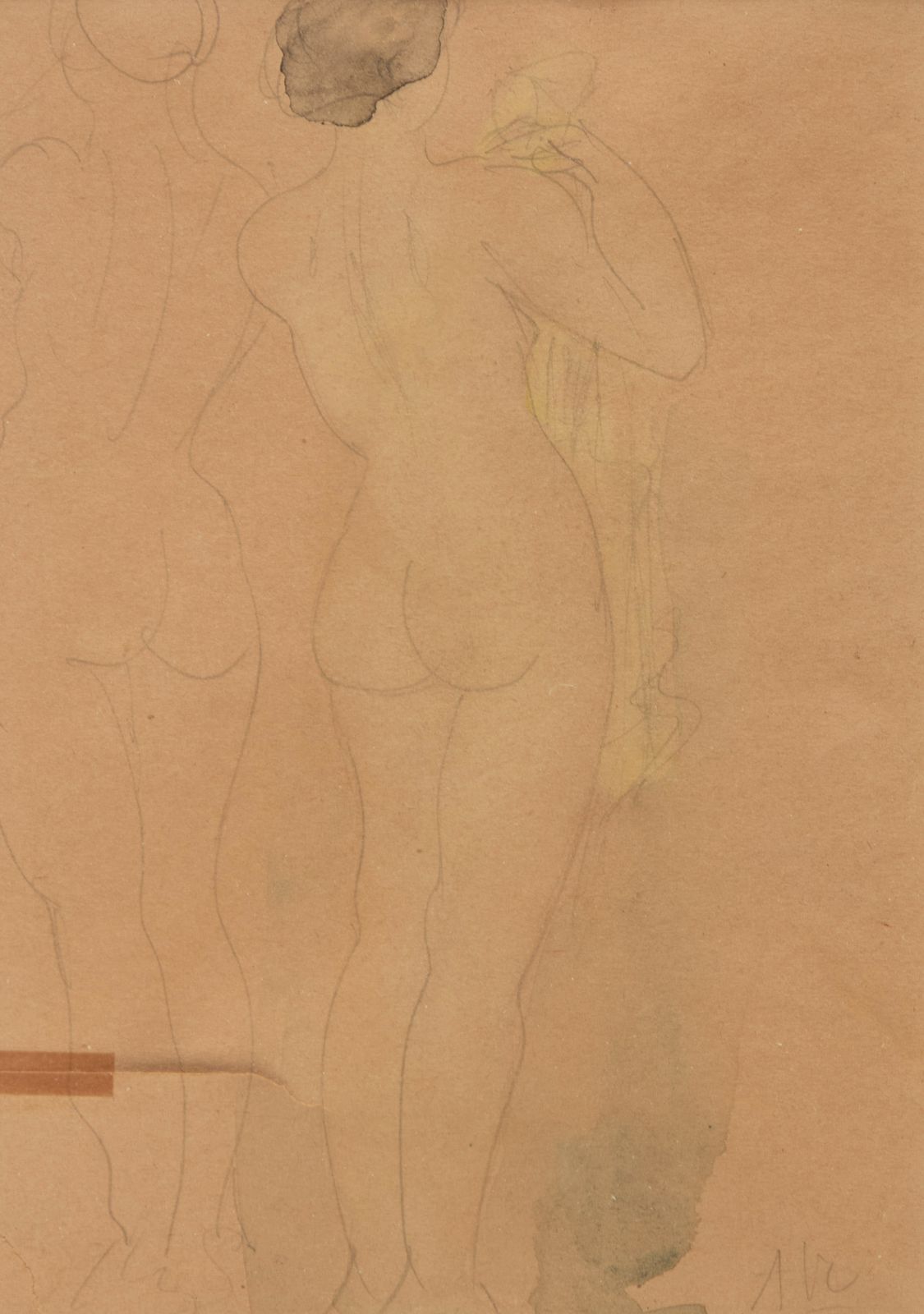
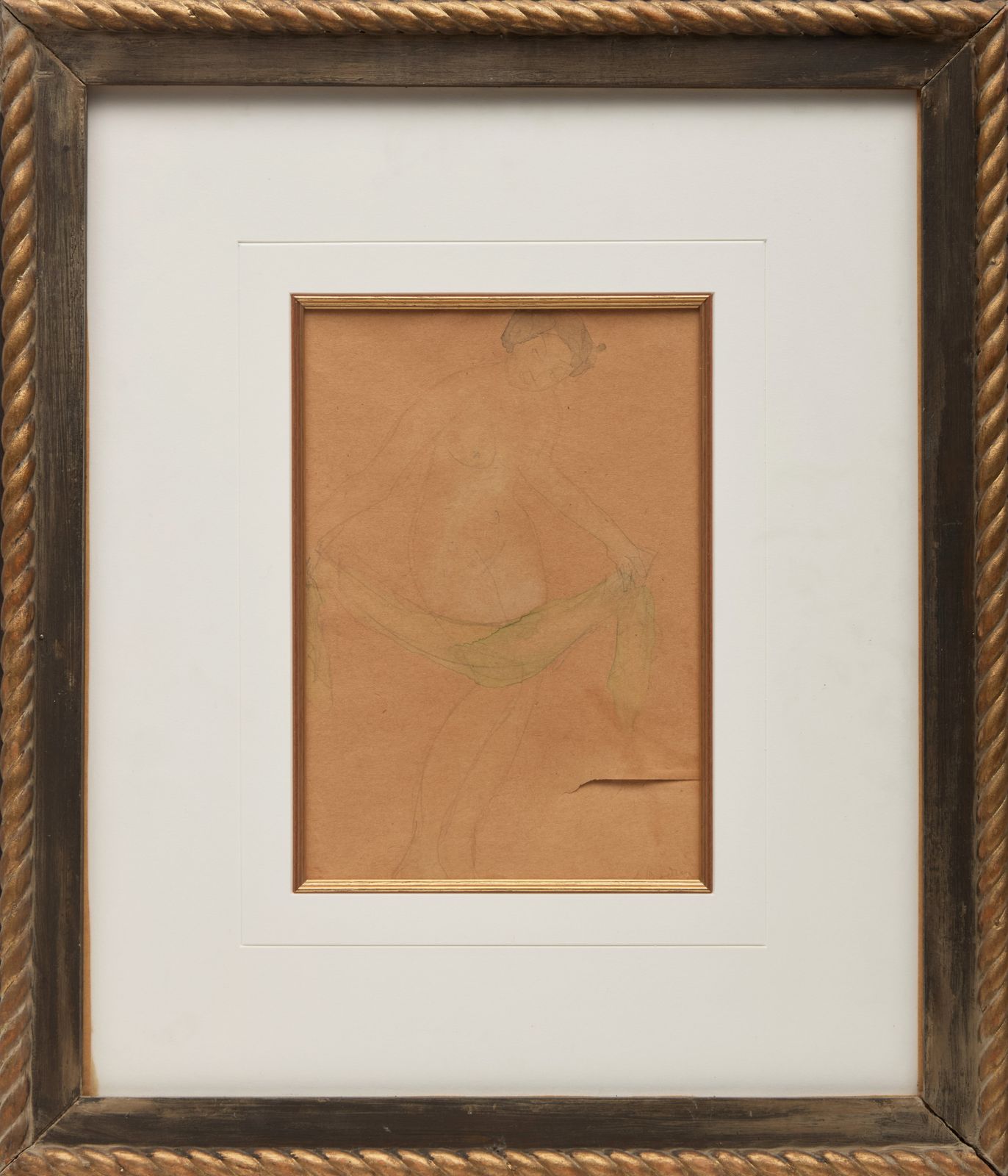
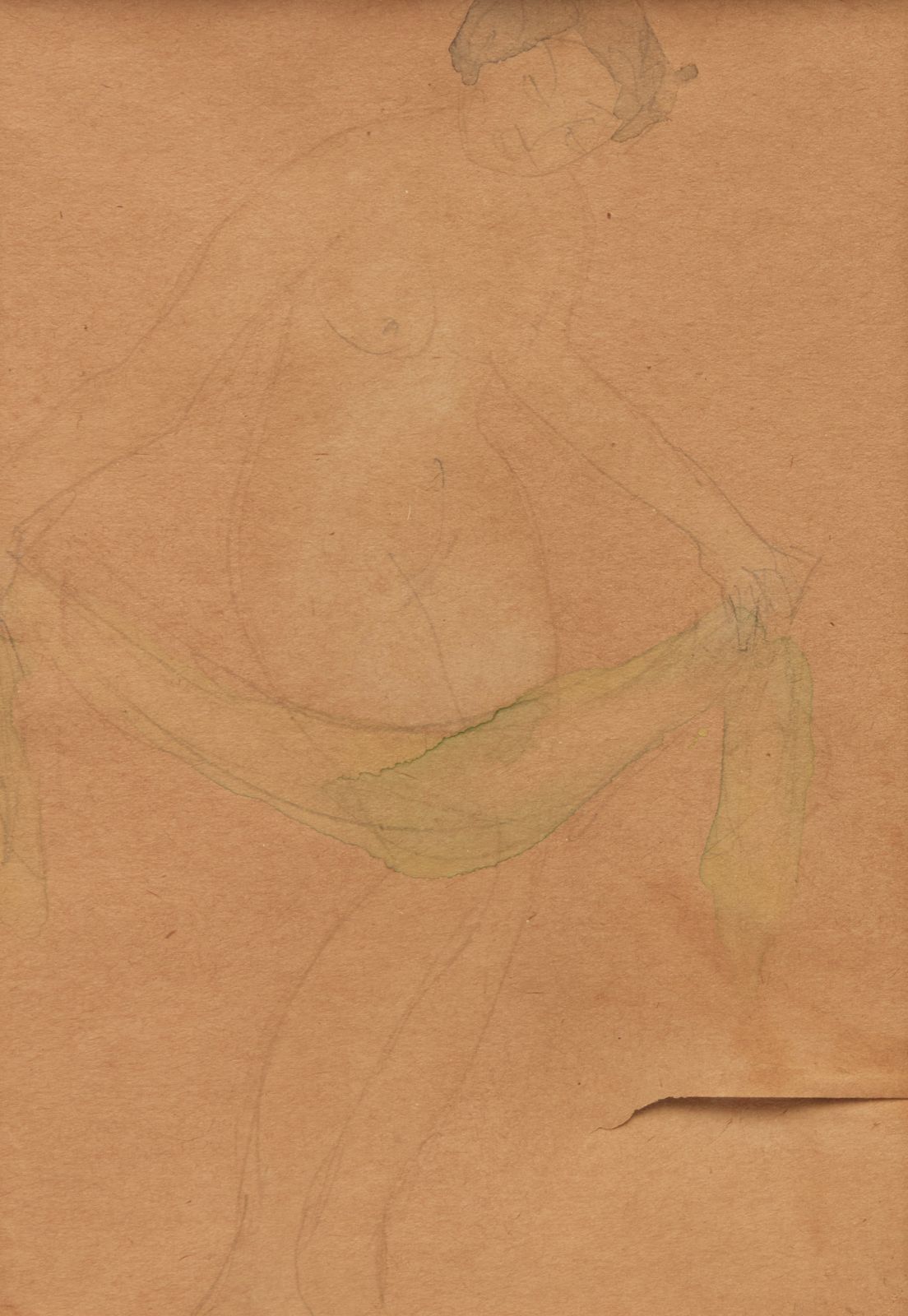
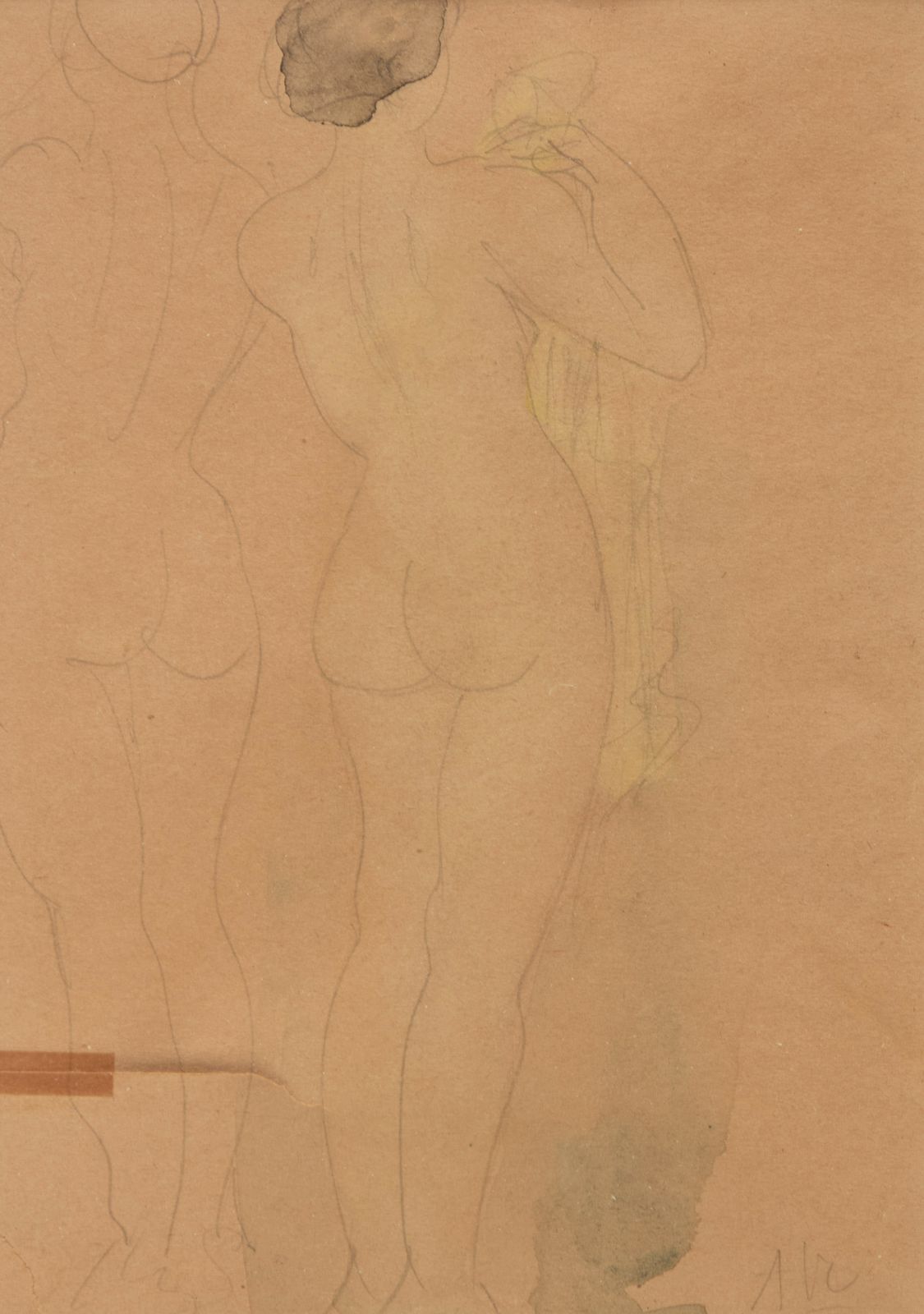
Auguste Rodin
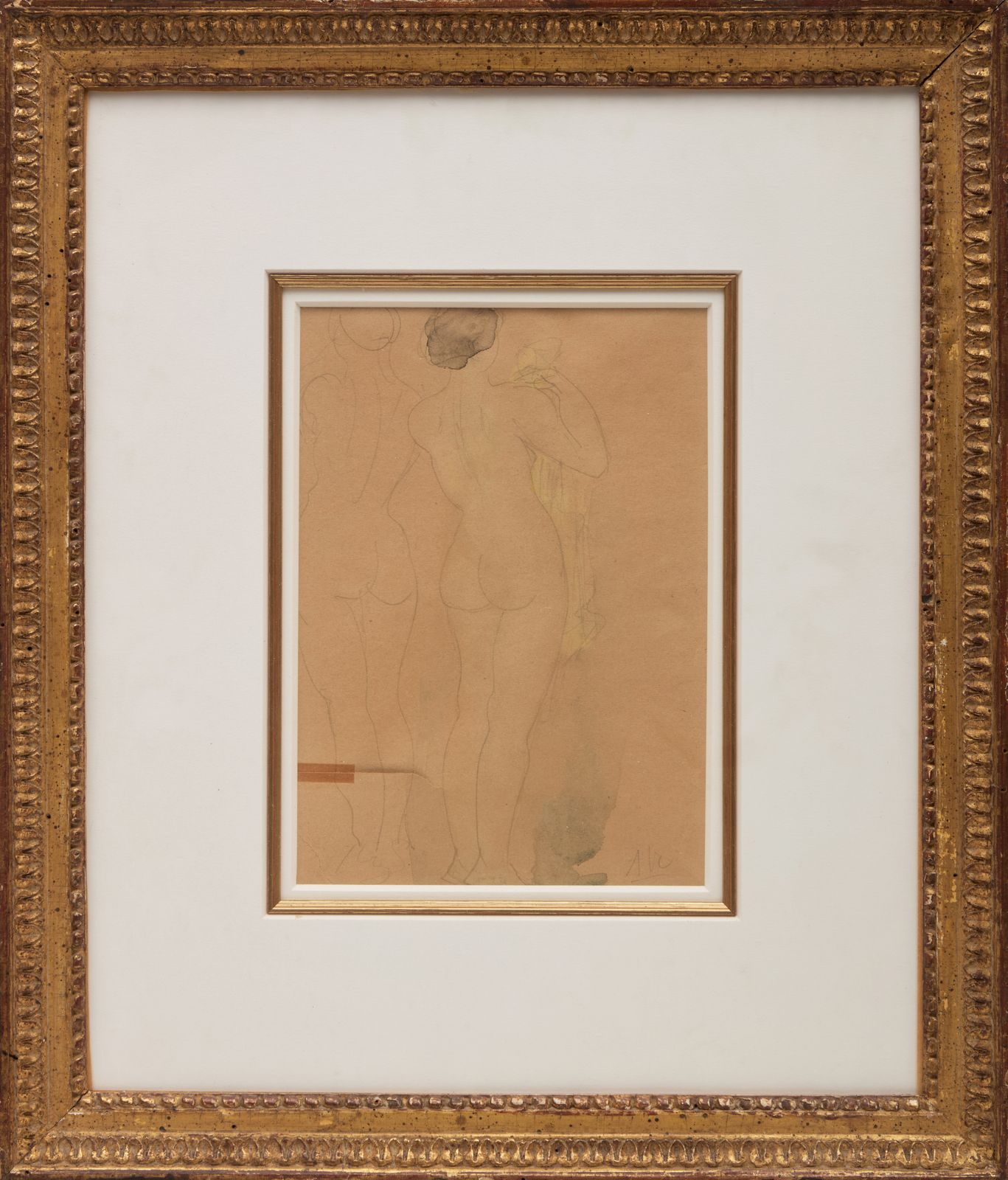
CAMBODIAN DANCERS (DOUBLE-SIDED)
8 x 5.5 in. (20.3 x 14 cm.)
French, 1840–1917
Description
AUGUSTE RODIN – CAMBODIAN DANCERS (DOUBLE-SIDED)
Starting Bid: CA$600
Estimate: CA$1,000 – CA$2,000
Description
ink and wash on paper each side signed lower right
Medium
ink and wash on paper Provenance
Modern & Contemporary International Art
French sculptor Auguste Rodin may have risen to the kind of renown reserved for the greats who inspired him, like Italian masters Michelangelo and Donatello. But one aspect of his art and life has gone largely overlooked: his affinity for the art of ancient Egypt.
Born François-Auguste-René Rodin on November 12, 1840 in Paris, France, he studied decorative arts and sculpture at an early age, but was rejected by the prestigious École des Beaux-Arts. By the age of 19, after failing to gain admittance three times, Rodin began working odd jobs as a day laborer in plaster workshops. The artist travelled to Florence to study the sculptures of Michelangelo shortly before a turning point in his career, when, in 1877, the Salon finally accepted one of his works.
This somewhat site-specific rendition also highlights Rodin’s relationship with Brummers—a family of Hungarian art dealers who left Paris for New York in 1914—and features three key loans from the Metropolitan Museum of Art.
To any artist, worthy of the name, all in nature is beautiful, because his eyes, fearlessly accepting all exterior truth, read there, as in an open book, all the inner truth,
Auguste Rodin
Now, the Musée Rodin has brought Rodin’s Egyptian treasures to the U.S. for the first time ever. They’re currently on view “Rodin’s Egypt,” which just opened at New York University’s Institute for the Study of the Ancient World (ISAW), alongside some of Rodin’s own creations.
Today his work can be found in institutions around the world, including multiple museums dedicated to his oeuvre, such as the Rodin Museum in Philadelphia and the Musée Rodin in Paris.